
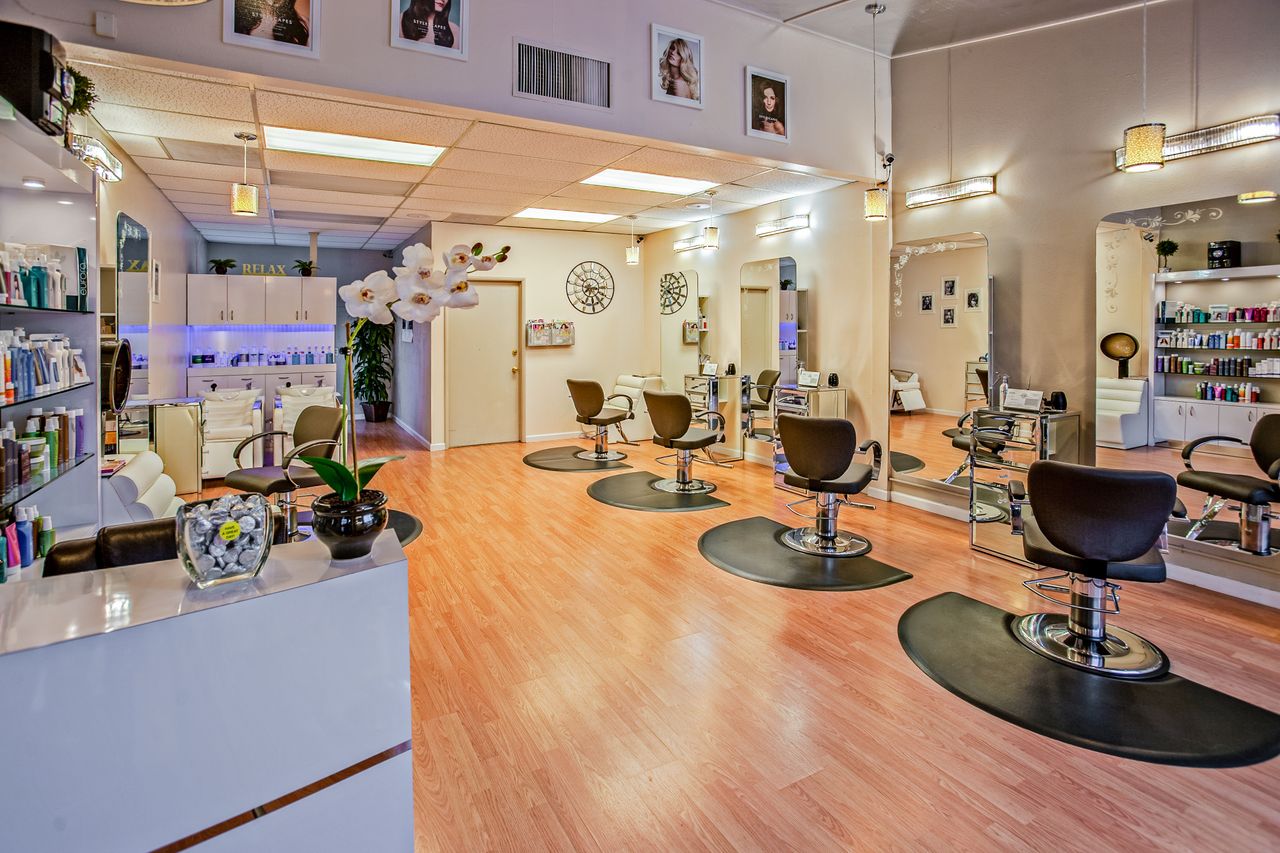
Hair Salon Insurance in Connecticut
What hair salons in Connecticut need to insure, and how to get multiple quotes on one application.
Short answer: Hair salons in Connecticut typically carry general liability, professional liability, property or a business owners policy, and workers’ compensation once they have employees — in Connecticut, workers’ comp is required with one or more employees. Licensing runs through the Connecticut Department of Public Health. Get Multiple Quotes within minutes.
Connecticut at a glance for hair salons
- Licensing: The Connecticut Department of Public Health.
- Workers’ comp: Required with one or more employees.
- Other employer rules: Connecticut Paid Leave is funded by employee payroll contributions that employers withhold and remit.
- Most common claim types: a chemical burn or scalp irritation from a relaxer, lightener or keratin treatment; a client slipping on water near the shampoo bowls.
- Typical requirement: general liability of $1 million per occurrence / $2 million aggregate for leases, salons and venues.
What Connecticut requires of hair salons
Connecticut requires workers’ compensation for employers with one or more employees, under the Connecticut Workers’ Compensation Commission.
Connecticut Paid Leave is funded by employee payroll contributions that employers withhold and remit.
Hair salons in Connecticut are regulated by the Connecticut Department of Public Health. Keep licenses current — carriers ask about licensing, and services performed outside a license can create coverage problems.
Connecticut has expanded professional licensing for beauty services in recent years, so underwriters pay close attention to each provider’s credentials. No state law mandates general liability, but nearly every commercial lease does.
Coverage checklist for hair salons in Connecticut
- General liability — slips, trips and client property damage in the salon.
- Professional liability — chemical services, color corrections and burns.
- Property or a business owners policy — chairs, shampoo units, dryers, retail product and your build-out.
- Workers’ compensation — assistants, shampoo techs and front-desk staff.
- EPLI and Cyber liability — staff disputes and booking or card data.
Claims hair salons actually face
These are the situations that turn into claims for hair salons — and the reason professional liability matters as much as general liability:
- A chemical burn or scalp irritation from a relaxer, lightener or keratin treatment
- Hair breakage or damage after a color correction, followed by a demand for refunds and repair costs
- A client slipping on water near the shampoo bowls
- A curling iron or flat iron burn to the ear, neck or forehead
Connecticut risks that affect your policy
Property and business income coverage in Connecticut should account for winter storms, coastal storms along Long Island Sound, and ice-related slip-and-falls. Compare property deductibles, any separate wind or hail deductible, and whether equipment breakdown is included.
What carriers look at
- Which chemical services you offer and how often
- How many stations are employees versus booth renters
- Revenue split between services and retail
- Whether you do extensions or keratin treatments
Pricing for hair salons in Connecticut depends mostly on the mix of chemical services, the number of stylists and stations, revenue and retail sales, along with location, limits, deductibles and claims history. We do not publish average premiums because they rarely match a real business — comparing several carriers on the same coverage is the reliable way to find your number. See our cost guide for the rating factors.
Where we help hair salons in Connecticut
We quote hair salons throughout Connecticut, including Bridgeport, New Haven, Hartford, Stamford, Waterbury and Norwalk. One application goes to multiple carriers, and when you bind you receive a Live Certificate — a link that always shows your current coverage for your landlord, salon or venue.
Frequently asked questions
Is insurance required for hair salons in Connecticut?
State law in Connecticut focuses on workers’ compensation, which is required with one or more employees. General liability is not required by statute, but leases, salons, suite operators and venues almost always require it, and professional liability protects you against service claims.
Do hair salons in Connecticut need workers’ compensation?
Connecticut requires workers’ compensation for employers with one or more employees, under the Connecticut Workers’ Compensation Commission.
Does hair salon insurance cover a bad color job?
Professional liability typically responds when a client claims injury or damage from a service, such as hair breakage or scalp burns from color or lightener, subject to the policy terms. It generally does not refund a service a client simply disliked.
Who licenses hair salons in Connecticut?
The Connecticut Department of Public Health oversees licensing. Keep every license current and make sure each service is performed within the provider’s license.
More for Connecticut: salon & spa insurance in Connecticut · nail salon insurance in Connecticut · day spa insurance in Connecticut · esthetician insurance in Connecticut · booth renter insurance in Connecticut.
Hair Salon insurance elsewhere: hair salon insurance · New York · Massachusetts · salon insurance comparisons.
Ready to compare? One application, multiple carriers, and a Live Certificate of insurance when you bind. Get Multiple Quotes within minutes or call (866) 964-6660.